The case for acting now
Parliaments act in isolation. The Kremlin exploits every gap.
Russia's war on Ukraine, its hybrid campaigns against democratic states — disinformation, electoral interference, economic coercion — and the systematic suppression of civil society at home demand a coordinated parliamentary response. The Inter-Parliamentary Alliance on China has shown what is possible: more than 290 legislators from 43 parliaments, moving in concert.
No equivalent cross-border mechanism dedicated to Russia yet exists. Parliaments act in isolation, sanctions regimes diverge, accountability stalls, and the Kremlin exploits every gap. IPAR is built to close it.
Confirmed members
Who is on board
United Kingdom · 7
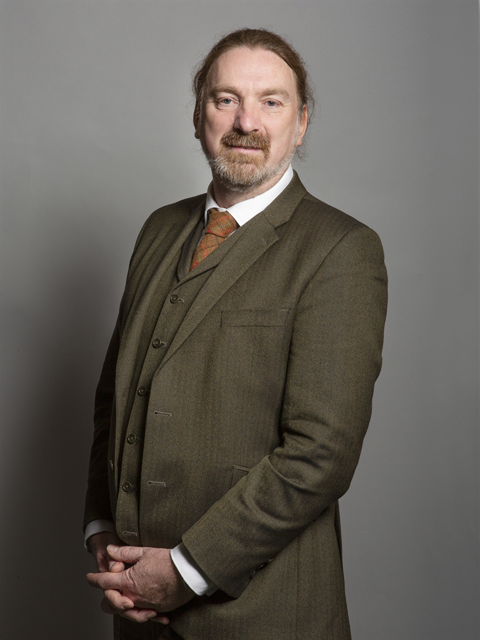 Chris LawSNP
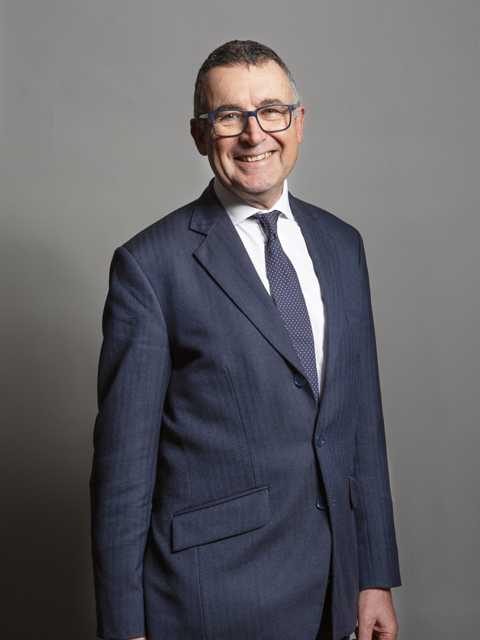 Bernard JenkinConservative
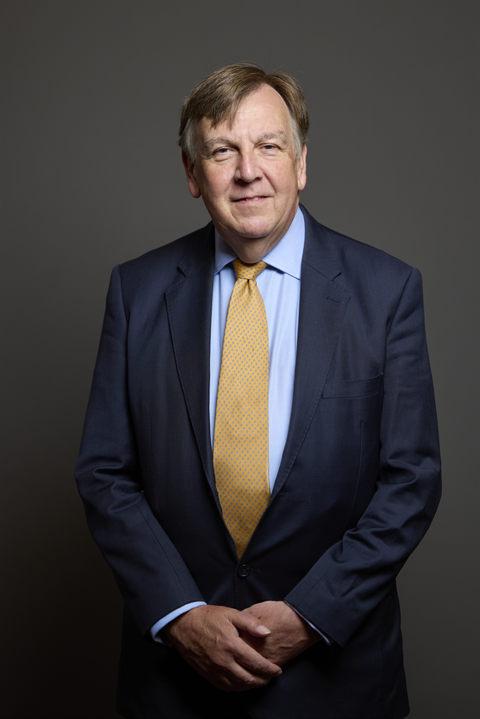 John WhittingdaleConservative
 Alicia KearnsConservative
 James MacClearyLiberal Democrat
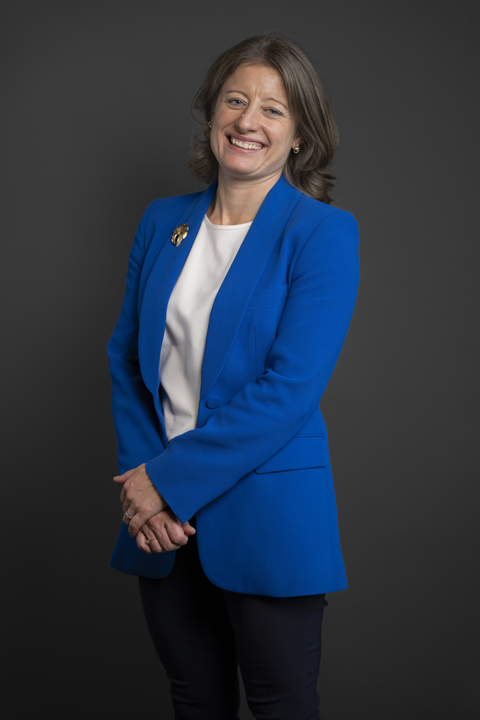 Helen MaguireLiberal Democrat
 Alex SobelLabour Co-op
Ukraine · 3
 Maria MezentsevaServant of the People
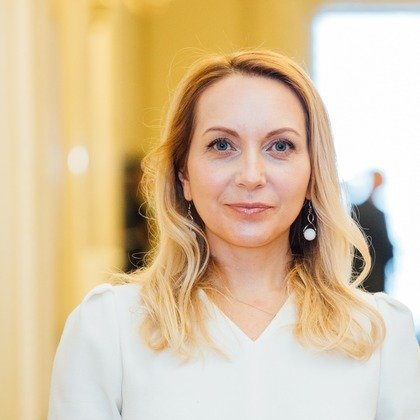 Olena KhomenkoServant of the People
- YKYurii KamelchukServant of the People
Italy · 2
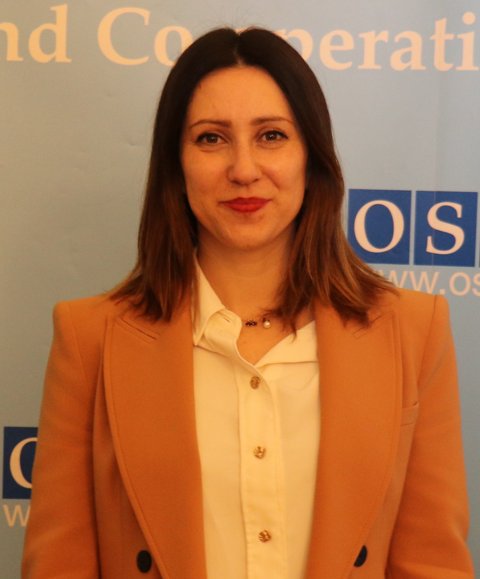 Federica OnoriAzioneChair
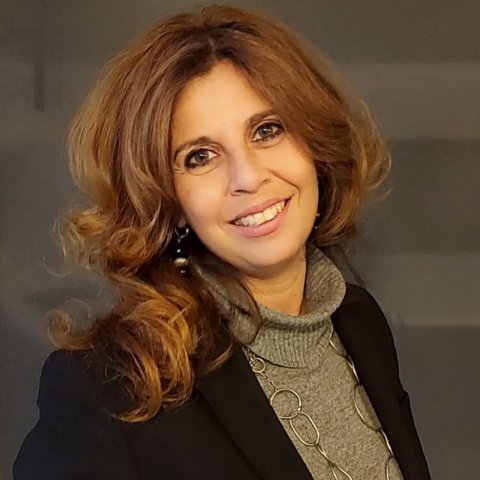 Valentina GrippoAzione
France · 2
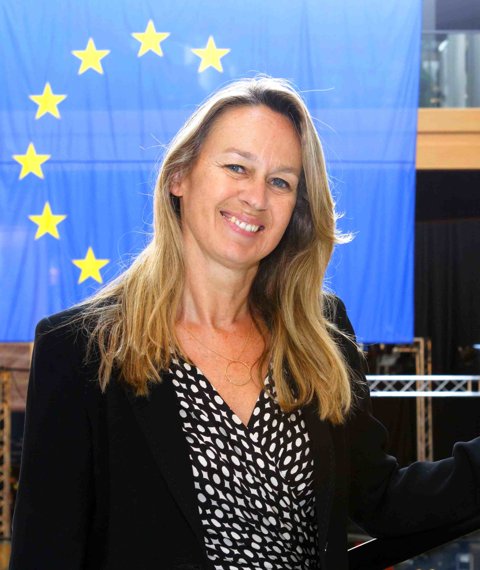 Constance Le GripRenaissance
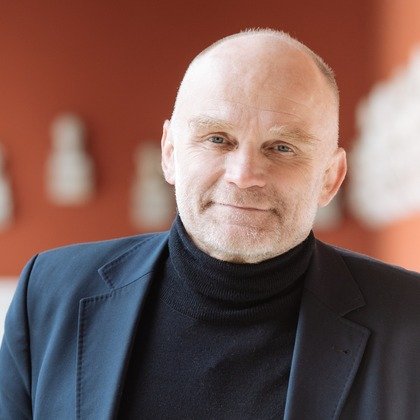 Frédéric PetitMoDem
Lithuania · 1
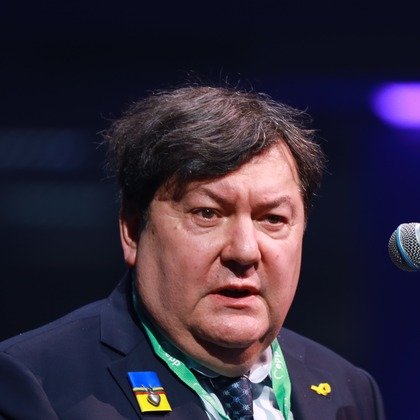 Emanuelis ZingerisHomeland Union
Estonia · 1
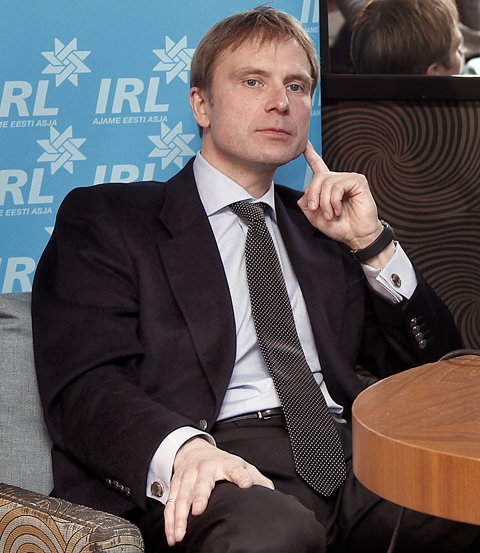 Eerik-Niiles KrossReform Party
The membership and the advisory board are both in formation. Further confirmations are pending.
Aims
Five aims
- Safeguard the rules-based order
Holding Russia to the standards of international law and protecting that legal order from distortion.
- Strengthen collective security
Developing complementary parliamentary responses to Russia's military and hybrid challenges in support of allied defence and deterrence.
- Reinforce sanctions and economic statecraft
Closing loopholes, harmonising regimes across jurisdictions, and reducing strategic dependence on Russian energy and trade leverage.
- Protect national integrity
Countering Russian influence operations, illicit political financing, sabotage, and information warfare against democratic institutions.
- Uphold human rights and accountability
Supporting legislative pathways to justice for war crimes in Ukraine, including the forcible deportation of children and conflict-related sexual violence.
Structure
How it works
- Co-Chairs
Two per legislature, drawn from different mainstream parties, selected for their ability and willingness to work across partisan and national boundaries. They set the agenda and chair General Meetings on a rotating basis.
- Membership
Open to any legislator from a democratic parliament who endorses IPAR's founding principles.
- Secretariat
A small, independent expert team providing research, briefings, model resolutions, and rapid coordination between legislatures.
- Registration
IPAR will be registered in Estonia.
- Advisors
A network of subject-matter experts called on for specialist support.
Founding team
Founding team
Advisor to the Ukrainian Security and Cooperation Center, Kyiv; Associate Fellow, GLOBSEC; former Chief of Staff to the Chair of the UK Defence Select Committee.
Founder, Russian Democratic Society; analyst working on Russia's war economy, sanctions circumvention and defence-technology networks.
Doctor of Historical Sciences; former Ukrainian MP and Government Representative in Parliament; Head of the Center for Strategic Policy.
Advisory Expert Board
Advisors
- SGSam Greene
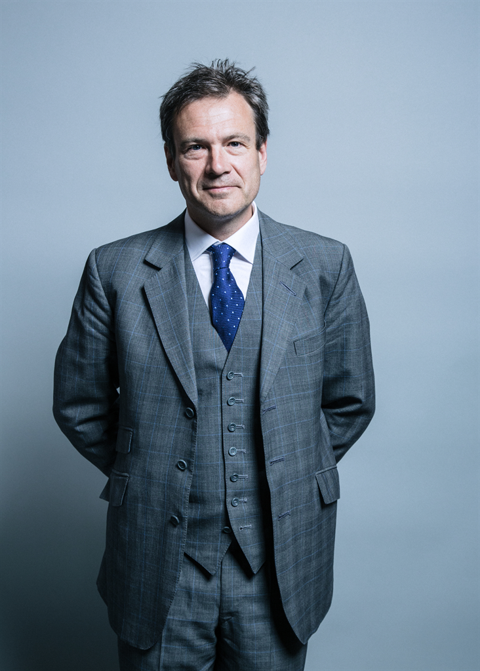 Bob Seely
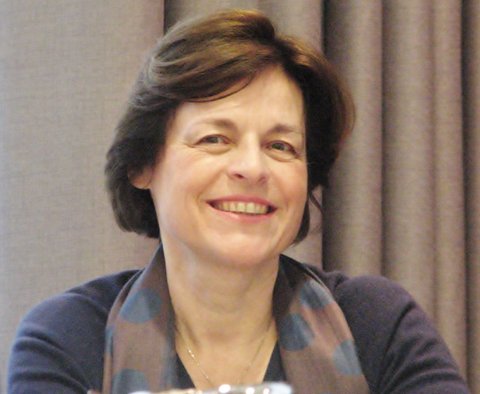 Marie Mendras
- JNJames Nixey
- EDElena Davlikanova
- KSKateryna Shynkaruk
“There is only one thing worse than fighting with allies — and that is fighting without them.”ksenia@gridresearch.eu