Megan Gittoes
Advisor to the Ukrainian Security and Cooperation Center, Kyiv; Associate Fellow, GLOBSEC; former Chief of Staff to the Chair of the UK Defence Select Committee.
IPARInter-Parliamentary Alliance on Russia
Briefing · October 2026
The case for acting now
Russia's war on Ukraine, its hybrid campaigns against democratic states — disinformation, electoral interference, economic coercion — and the systematic suppression of civil society at home demand a coordinated parliamentary response. The Inter-Parliamentary Alliance on China has shown what is possible: more than 290 legislators from 43 parliaments, moving in concert.
No equivalent cross-border mechanism dedicated to Russia yet exists. Parliaments act in isolation, sanctions regimes diverge, accountability stalls, and the Kremlin exploits every gap. IPAR is built to close it.
Confirmed members
Pins mark each parliament’s capital. Hover or focus a card to highlight its country.
The membership and the advisory board are both in formation. Further confirmations are pending.
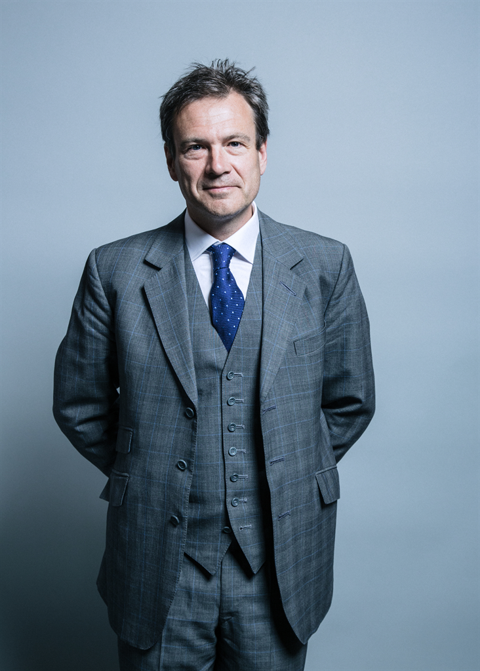 Bob Seely
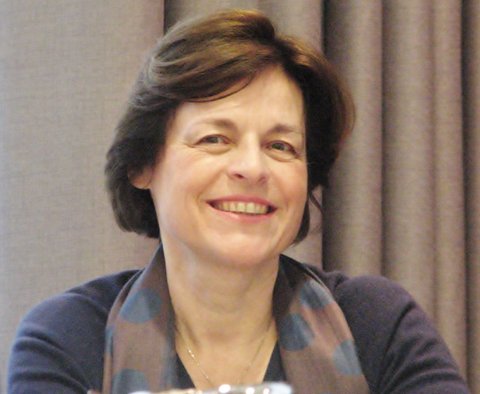 Marie Mendras
Aims
Holding Russia to the standards of international law and protecting that legal order from distortion.
Developing complementary parliamentary responses to Russia's military and hybrid challenges in support of allied defence and deterrence.
Closing loopholes, harmonising regimes across jurisdictions, and reducing strategic dependence on Russian energy and trade leverage.
Countering Russian influence operations, illicit political financing, sabotage, and information warfare against democratic institutions.
Supporting legislative pathways to justice for war crimes in Ukraine, including the forcible deportation of children and conflict-related sexual violence.
Structure
Founding team
Advisor to the Ukrainian Security and Cooperation Center, Kyiv; Associate Fellow, GLOBSEC; former Chief of Staff to the Chair of the UK Defence Select Committee.
Founder, Russian Democratic Society; analyst working on Russia's war economy, sanctions circumvention and defence-technology networks.
Doctor of Historical Sciences; former Ukrainian MP and Government Representative in Parliament; Head of the Center for Strategic Policy.
“There is only one thing worse than fighting with allies — and that is fighting without them.”
Inter-Parliamentary Alliance on Russia · ksenia@gridresearch.eu